Xinhua
29 Mar 2026, 18:15 GMT+10
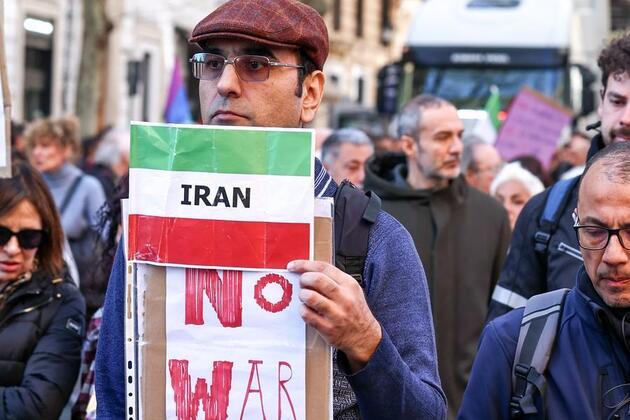
The ongoing U.S.-Israeli war on Iran, marked by assassinations, regional retaliation, and economic disruption, has failed to achieve its stated objectives, intensified regional conflict, strained international alliances, and threatened global stability.
by Rifaat Ibrahim Al-Badawi
The illegal joint U.S.-Israeli war on Iran has now entered its second month without achieving the key objectives the White House promised.
The war began at a time when the Middle East and West Asia were witnessing a political breakthrough followed by relative economic stability, especially after Oman, acting as a mediator, announced tangible progress in U.S.-Iran negotiations.
But Washington carried out its usual deception against Iran and other regional countries in the same manner it did in June 2025, when, in cooperation with Israel, the United States launched violent airstrikes on Iran's nuclear facilities. What became known as "the 12-day war" also resulted in the assassination of many top-tier leadership figures and scientists in Iran.
This time, Iran's Supreme Leader Ali Khamenei was assassinated. This bold move prompted Khamenei's supporters in the region -- Hezbollah in Lebanon, the Popular Mobilization Forces in Iraq and the Houthis in Yemen -- to enter the war, albeit to varying degrees, therefore causing a major shift in its course.
For example, Hezbollah announced its involvement in the war to retaliate for Khamenei's death, and also to liberate areas occupied by Israel. This led to the disruption of an Israeli plan to establish a buffer zone 10 km deep inside southern Lebanon, and made the Israeli army suffer much from resistance attacks on the southern Lebanon front.
But this front also resulted in the displacement of over 1.5 million residents from southern Lebanon toward the interior, including Beirut and other areas.
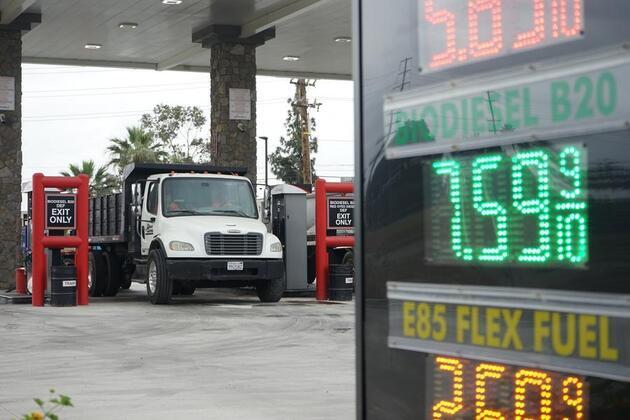
Meanwhile, Iran's response has expanded to Gulf countries allied with the United States. It struck U.S. military and economic bases in the region and closed the Strait of Hormuz, a vital artery of global oil and gas trade. The military operations of both sides led to a noticeable rise in oil prices, caused turmoil in stock markets, and further created a political and economic crisis between the United States and its traditional European allies.
In fact, a rift was already there as Europeans believe the White House launched the war unilaterally without consulting NATO, and thus consider the war illegal and unjustified. This partly explains why they refused the U.S. request to help forcibly open the Strait of Hormuz.
In Europe, those traditional U.S. allies show no interest at all in joining a war whose outcomes are uncertain. Britain, Germany, France and Italy all voiced sharp criticism, calling the war immoral and against international law.
It would simply be wrong to believe the United States and Israel started the war to prevent Iran from obtaining nuclear weapons or long-range missiles, as they declared. The U.S. main objective is to control global oil and gas routes and sources, especially in the Middle East, the Gulf and West Asia, as these regions represent a reservoir of oil and natural gas wealth.
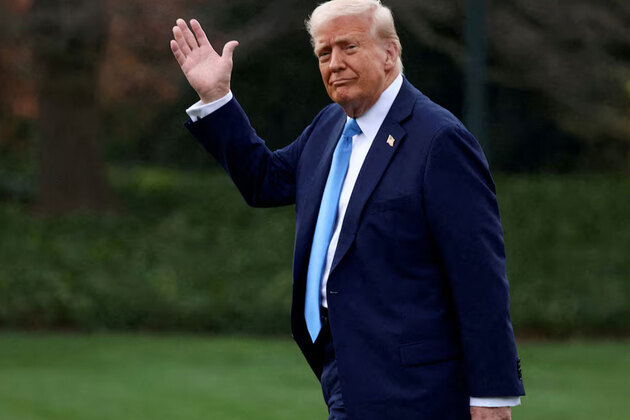
Trump's wish to overthrow the "Iranian regime" is still a wish: Iran did not fall, and the state remains cohesive enough. Trump's calculation on controlling oil and gas sources and routes in the region didn't work out either, nor did his promise to assign Israel the role of regional policeman.
Nevertheless, this war has indeed undermined trust between nations, changed international alliances, and created regional fractures that may lead to a radical shift in the post-World War II global order at the military, economic and political levels.
Editor's note: Rifaat Ibrahim Al-Badawi is a researcher and academic in regional affairs and an advisor to former Lebanese Prime Minister Salim Hoss.
The views expressed in this article are those of the author and do not necessarily reflect those of Xinhua News Agency.
Get a daily dose of Chile Sun news through our daily email, its complimentary and keeps you fully up to date with world and business news as well.
Publish news of your business, community or sports group, personnel appointments, major event and more by submitting a news release to Chile Sun.
More InformationMADRID, Spain: A tunnel in the North African exclave of Ceuta, ​complete with a rail system and underground cranes used to smuggle...
(Photo credit: Jayne Kamin-Oncea-Imagn Images) ATP No. 83 Thiago Agustin Tirante of Argentina rallied from a first-set disappointment...
SAO PAULO, April 3 (Xinhua) -- The death toll from a small aircraft crash in the seaside city of Capao da Canoa, Brazil's southern...
New Delhi [India], April 3 (ANI): Former senior diplomats expressed disappointment and scepticism over US President Donald Trump's...
This comes as the US warms to Caracas after kidnapping President Nicolas Maduro and forcing his government to comply The US has removed...
DR Congo sealed a historic play-off win, sparking nationwide celebrations The Democratic Republic of the Congo (DR Congo) has qualified...
BOLOGNA, Italy: The Iran war is rippling through the global beauty industry, pushing up costs for everything from packaging materials...
The French president called on like-minded countries to band together in the face of Washingtons unpredictability French President...
Islamabad [Pakistan], April 4 (ANI): Pakistan has decided to return USD 3.5 billion in debt to the United Arab Emirates (UAE) before...
U.S. jobs bounced back in March from the previous month. However, economists said that the gains seen in the upbeat jobs report may...
Tehran [Iran], April 4 (ANI): Islamabad's attempt tp position itself as a mediator in the West Asia conflict has come to naught with...
Washington, DC [US], April 4 (ANI): President Donald Trump has withheld details regarding the potential US response should a missing...