Xinhua
24 Apr 2026, 13:15 GMT+10
At the core of the diplomatic deadlock is a fundamental clash of objectives. Ukraine insists that any settlement must restore its territorial integrity and provide binding security guarantees to prevent future aggression. Russia, meanwhile, seeks recognition of territorial gains and a fundamental shift in Ukraine's geopolitical orientation.
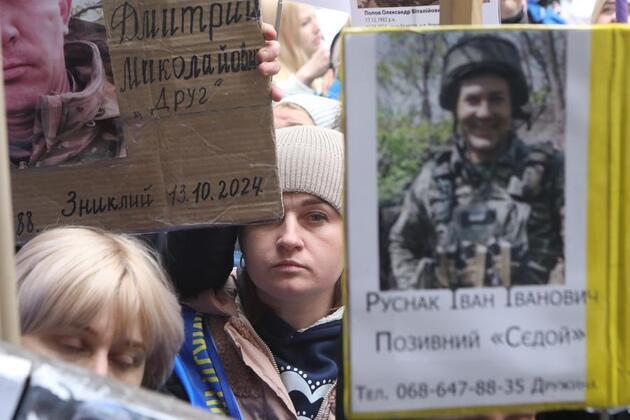
MOSCOW, April 24 (Xinhua) -- More than four years into the Russian-Ukrainian conflict, diplomatic efforts to bring an end to it continue to fall short.
Even as intermittent talks resume and outside powers strive for negotiations, a durable ceasefire remains elusive. The reasons lie less in battlefield dynamics than in widening political gaps between Moscow and Kiev, and among their international backers.
At the core of the diplomatic deadlock is a fundamental clash of objectives. Ukraine insists that any settlement must restore its territorial integrity and provide binding security guarantees to prevent future aggression. Russia, meanwhile, seeks recognition of territorial gains and a fundamental shift in Ukraine's geopolitical orientation.
Recent rounds of talks, including U.S.-brokered trilateral meetings in Abu Dhabi and Geneva, have highlighted this divide rather than bridged it. Territorial questions, particularly over the eastern and southern regions, remain the central sticking point, with neither side willing to concede.
Short-lived truces, such as a brief Easter ceasefire earlier this month, have underscored the lack of trust. These pauses have repeatedly failed to translate into broader de-escalation, reflecting a continued pursuit of military leverage by both sides.
DIPLOMACY STALLS
Efforts to revive peace negotiations have also been complicated by shifting global priorities since the Iran war began, with trilateral talks between Kiev, Moscow and Washington, having already yielded little, frozen since February 2026.
The United States, a key mediator and Ukraine's largest military backer, has faced competing foreign policy demands as the Iran war has diverted its attention and resources.
Recent reports indicate that questions regarding U.S. commitments to long-term security guarantees for Ukraine have resurfaced, raising doubts in Kiev and European capitals about Washington's strategic focus. At the same time, Russian officials have expressed skepticism about U.S. reliability as a negotiating partner, further eroding confidence in the talks.
This erosion of trust has made even preliminary agreements difficult to sustain, let alone achieve a comprehensive peace framework.
FRICTION WITHIN EUROPE
Divisions within the Western alliance have become another major obstacle. While the European Union has reaffirmed its support -- approving a 90-billion-euro (106 billion U.S. dollars) loan for Ukraine and new sanctions against Russia -- internal disagreements over funding, energy policy and long-term strategy persist.
Some European governments have pushed to maintain or even increase pressure on Moscow, arguing that negotiations should only proceed from a position of strength. Others, facing economic strain and political pressures at home, have shown greater openness to exploring ceasefire options.
Differences with Washington have also become more visible. Analysts note that Europe is increasingly wary of any U.S. push for a rapid settlement that could compromise Ukraine's position, particularly if it involves territorial concessions.
Despite these divisions, Western support for Ukraine remains substantial. The EU's latest multi-year financial package aims to cover a significant share of Kiev's budgetary and defense needs, though officials acknowledge it still falls short of what is required to sustain the war effort.
At the same time, disputes over energy supplies and economic measures within Europe, including earlier tensions involving pipeline disruptions, have exposed vulnerabilities in the alliance's cohesion.
Such frictions have implications beyond economics. They signal to Moscow that Western unity is not absolute, potentially reinforcing the Kremlin's calculation that time is on its side.
DIM PROSPECTS
Ukrainian President Volodymyr Zelensky said Wednesday that Kiev is open to meeting Russian representatives "in any format, at any time," as long as the venue is not in Russia or Belarus. He called for the resumption of trilateral talks, saying Ukraine is prepared to engage without preconditions on timing or format.
Russia, however, has struck a more cautious tone. Foreign Minister Sergei Lavrov said on April 18 at the Antalya Diplomacy Forum in Trkiye that negotiations with Ukraine are not Moscow's top priority. Still, Lavrov said Russia views the possibility of resuming talks in Istanbul favorably, suggesting some openness to renewed dialogue.
Trkiye has stepped up its mediation efforts. President Recep Tayyip Erdogan told NATO head Mark Rutte that Ankara is working to revive negotiations at Kiev's request and aims to bring the two warring sides together at the leadership level, the Turkish presidency said Wednesday.
Despite these diplomatic moves, substantive gaps remain. Ukraine has argued that freezing the current front line could serve as the most realistic basis for a ceasefire. Russia, by contrast, has insisted that Ukrainian forces withdraw from parts of the Donbas region as a precondition for any agreement, a demand Kiev has firmly rejected.
Get a daily dose of Chile Sun news through our daily email, its complimentary and keeps you fully up to date with world and business news as well.
Publish news of your business, community or sports group, personnel appointments, major event and more by submitting a news release to Chile Sun.
More InformationLIMA, Peru: As Peru's vote count drags on amid fraud allegations and a razor-thin battle for second place, right-wing candidate Keiko...
RT examines how prediction markets are fueling concerns over the misuse of non-public information A US Special Forces soldier accused...
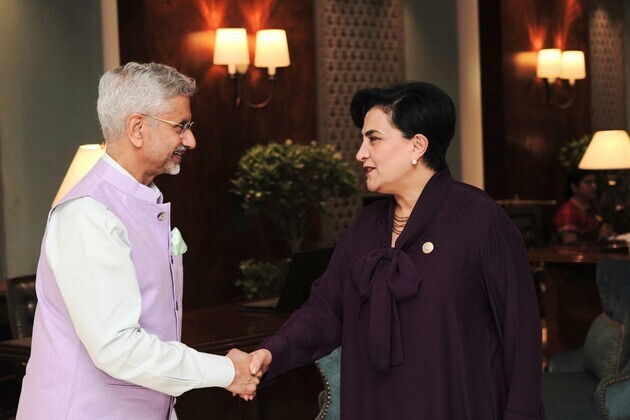
New Delhi [India], April 29 (ANI): External Affairs Minister S Jaishankar on Wednesday discussed with Ecuador Foreign Minister Gabriela...
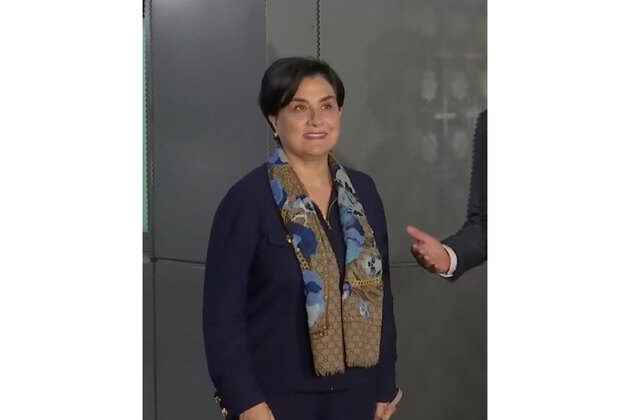
New Delhi [India], April 29 (ANI): Ecuador's Minister of Foreign Affairs and Human Mobility Gabriela Sommerfeld Rosero arrived in New...
Washington DC [US], April 29 (ANI): The United States and its allies have raised concerns over what they described as China's 'targeted...
(Photo credit: Mike Frey-Imagn Images) World No. 1 Jannik Sinner continued his quest to become the first player to win five consecutive...
Armed colonists burn, beat, and kill with near-total impunity because their violence serves a larger system of land theft and expulsion...
In the face of a devastating US-Israeli bombing campaign, Iran's rival political factions cast aside their differences to unite behind...
Karachi [Pakistan] April 29 (ANI): Severe gridlock gripped key arteries of Karachi's commercial hub after residents of Railway Colony...
Washington DC [US], April 29 (ANI): US Under Secretary of War Elbridge Colby on Tuesday (local time) held talks with NATO officials...
Amritsar (Punjab) [India], April 29 (ANI): Navdeep Singh Suri, Former Indian Ambassador to United Arab Emirates said that the UAE's...
Washington DC [US], April 29 (ANI): Even as US President Donald Trump spoke of his mother's 'crush' on King Charles III, and spoke...