Instead of challenging male power, the high-ranking ladies attach themselves to it like tradwives
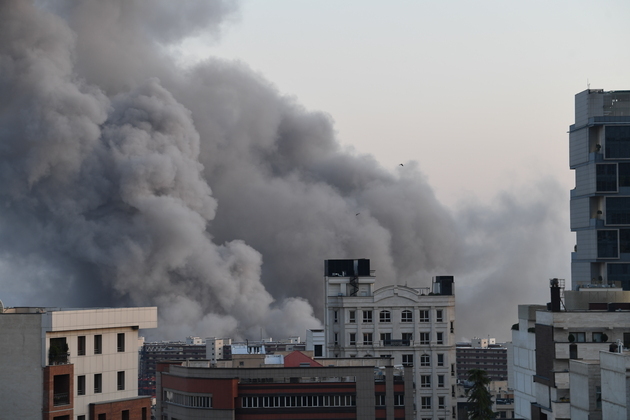
International Women's Day used to come with a certain esthetic. A celebration of past victories and a look ahead to new hopes and challenges. But this year, the vibe iswomen on social media,claiming Iranian heritage, dancing in celebration of US and Israeli airstrikes on Iran, even as reports circulate that bombs had killed roughly 160 schoolgirls.
Meanwhile, Western female leaders - those who regularly speak about things like feminist foreign policy and are seen as the epitome of female governance - seemed suddenly to develop an acute sensitivity about tone. Statements were measured and delicately phrased so as not to antagonize the men launching the missiles.
The question practically writes itself: how did a movement once defined by dissent become so cautious in the presence of power?
The answer begins with a misunderstanding of feminism's history. Contrary to the mythology, feminism has rarely been as radical as its reputation suggests. From the beginning, it contained competing factions. Like most political movements, feminism ended up rewarding the faction that was easiest for institutions to accommodate.
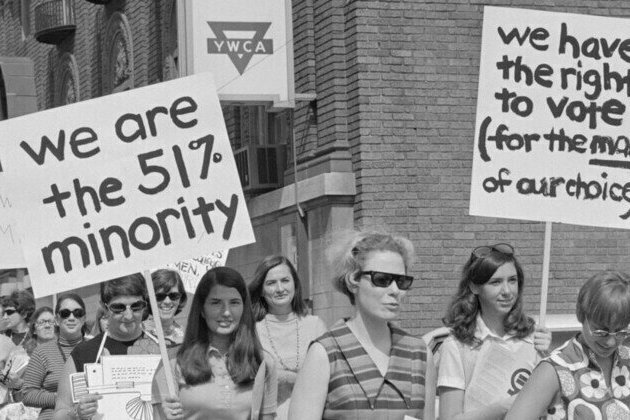
During the second wave feminism of the 1960s and 1970s, ideological debates within the movement were fierce, on everything from pornography and capitalism to lesbianism and marriage. Different factions claimed the feminist banner, but only one ultimately ended up with the microphones and funding.
The version that eventually dominated was the one that institutions could live with. One that foundations could fund with their shady backers, and universities could fall over themselves to host. Corporations and government learned to speak its language, and vice-versa, and feminism became a feature of the power structure itself.
That evolution did produce some real achievements, although there's debate over the extent to which they were inevitable anyway, particularly given the relative freedom of women in the Soviet Union during the Cold War era, especially in the labor force with a reported80%employed outside the home by 1983, and America's desire to better compete economically with the USSR by increasing its own female workforce.
Women gained financial independence, legal rights, and social freedoms that previous generations couldn't imagine. A woman could apply for a credit card without a male co-signer. She could sign a lease without being asked if she worked as a prostitute to pay for it. She could open a bank account, and chart a life that didn't require a permanent male escort through adulthood. If she needed help fixing a car or assembling furniture, she could hire someone rather than entering into a lifetime contractual arrangement with the nearest man who owned a wrench.
But that success also had a side effect. The movement grew comfortable inside the institutions that it once challenged. Once feminism became part of the establishment, it absorbed the establishment's unwritten rules, including the careful language, the strategic silence, and the understanding that certain forms of dissent were impolite.
The result is an inversion. Today's feminist spaces are visually diverse and rhetorically inclusive, but ideologically narrower than many earlier feminist debates. Attend a modern conference or browse the programs of prominent organizations and you will find every conceivable identity represented in the most superficial sense. What you will struggle to find is genuine ideological diversity. Women who depart from the prevailing worldview rarely appear, unless they have been carefully vetted as safe exceptions.
In other words, the contemporary movement celebrates difference everywhere except in thought.
This narrowing has produced some odd priorities. Feminist institutions have spent enormous energy adjudicating language, identity categories, and cultural etiquette. The result comes across as theatrical and performative. Meanwhile, questions of war, foreign policy, and state power often receive more cautious treatment, depending on the guy in charge. For instance, does anyone recall a feminist movement against former President Barack Obama's drone striking half the planet? Me neither.
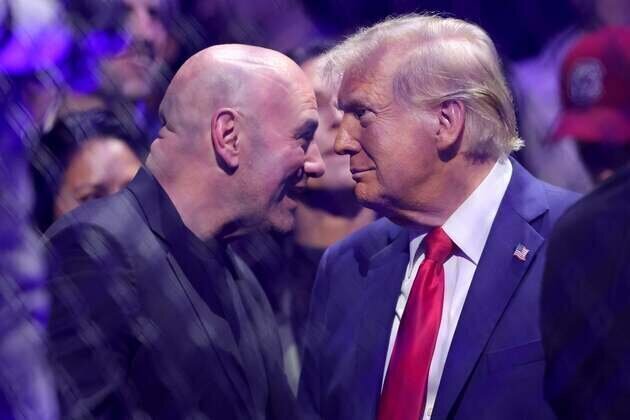
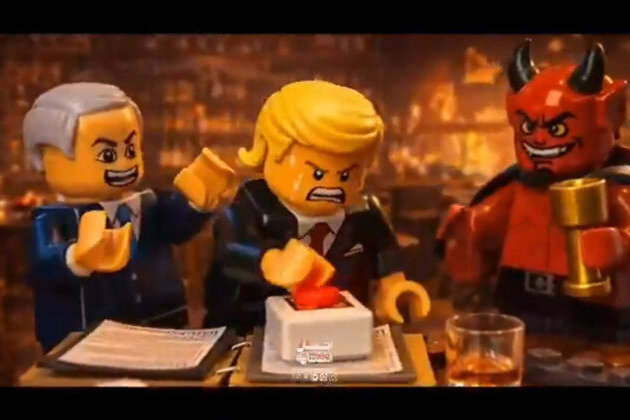
The reaction to the Iran strikes underscores the same problem. When President Donald Trump announced that Washington had joined Israel in bombing Iranian targets, killing senior figures and igniting regional tensions, the moment presented an obvious test. If feminism truly champions human rights and the protection of civilians, surely the deaths of schoolgirls in a bombing campaign would provoke unmitigated public outrage.
Yet many prominent Western women in positions of authority responded with a remarkable delicacy. Statements focused on "regional stability," "security concerns," and the importance of "avoiding escalation." Direct condemnation of the strikes was rare. Even leaders who frequently invoke feminist values in foreign policy appeared reluctant to criticize the military actions too bluntly.
Consider Ursula von der Leyen, the European Commission's unelected president and one of the most powerful women in European and global politics. Her remarks on the conflict emphasized diplomacy and stability but avoided direct denunciation of the attack itself. Similar rhetorical caution appeared across Western institutions led by women who regularly embody or champion the role of women in power. Yet where were they when this prime opportunity presented itself to exercise it? They're always keen to correct someone's vocabulary but seem less interested in criticizing a bombing campaign when it involves the country they've hitched themselves to like a tradwife. They may not appreciate Trump himself, but they're dependent on the position that he represents as US commander-in-chief.
Meanwhile, the online celebrations by diaspora influencers dancing in response to the bombing campaign represent another strange mutation of modern feminist-adjacent activism. War is reframed as liberation. The logic suggests that bombs dropped under the right pretext somehow advance women's rights, even when those bombs fall on girls who will never grow old enough to enjoy those freedoms. That is, if they ever do come into existence, given the poor track record so far.
Perhaps the deeper problem is that feminism today lacks ambition. Specifically, that of challenging power. Movements that begin as rebellions often become institutions, which ultimately favor stability.
Feminism was never supposed to be just another bunch of seats at The Man's table. Its original promise was disruption and the insistence that women could question every system of authority that governed their lives.
If that spirit still exists, then this moment should be an invitation to rediscover it. Feminism doesn't need more carefully worded statements from women in power, but rather courage to say something genuinely uncomfortable when the establishment goes way offside.
A movement that can address these challenges with the same confidence that it brings to social debates would be a feminism worthy of its history. Anything less risks becoming exactly what earlier generations fought against: a demure and compliant accessory to the status quo.
(RT.com)



 Share
Share
 Tweet
Tweet
 Share
Share
 Flip
Flip
 Email
Email