ANI
13 Mar 2026, 15:02 GMT+10
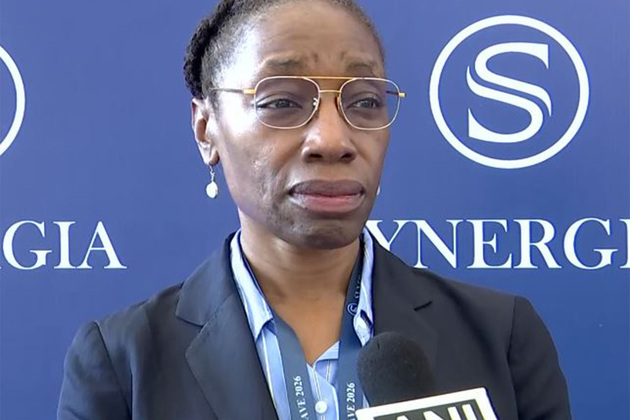
New Delhi [India], March 13 (ANI): The killing of Ayatollah Ali Khamenei and the swift succession of a new leader in Iran have intensified global concerns over the evolving dynamics of the ongoing conflict involving Iran, the United States, and Israel, with Comfort Ekhause Ero, President, International Crisis Group, warning that the developments could significantly alter Tehran's escalation strategy and decision-making calculus.
Ero, who has been monitoring the conflict closely, says the current phase of the war reflects long-term strategic planning by Iran, particularly following last year's 12-day confrontation involving Iran, the United States and Israel. The conflict, she argues, had already laid the groundwork for a broader regional confrontation.
Speaking on the evolving crisis, Ero noted that the current developments were not entirely unexpected, as Iran had been preparing for such a scenario.
'I mean, this has really been a war that Iran had been preparing for, preparing the ground for, especially after the 12-day war last year between itself, the US, and Israel as well,' Ero said.
The widening conflict has raised alarm across the region after Iran reportedly launched strikes affecting several Gulf countries where US military assets are located. Ero says these actions signal a broader strategic response aimed at expanding pressure points beyond the immediate battlefield.
'I think what has alarmed a number of people is that Iran has also managed to hit out at a number of Gulf countries, largely because US assets were also in those countries and further filled into Cyprus,' she observed.
The developments have also revived fears about the security of the Strait of Hormuz, one of the world's most critical shipping routes for crude oil. Any disruption in the strait could significantly impact global energy markets.
'I think there's increasing concern about what this means in terms of the Strait of Hormuz, energy, oil prices, and the future of security in an ever-transforming Middle East as well,' she added.
Meanwhile, Iran's newly installed Supreme Leader, Mojtaba Khamenei, has issued strong warnings demanding the closure of US military bases across the region, saying they should be dismantled immediately and cautioning that they could face missile strikes.
However, Ero notes that such rhetoric reflects a long-standing position within Iran's political doctrine.
'Look, this idea about removing US bases in the region, it's not new, that's always been in the DNA of the Iranian regime. It's always been part of the Persian outlook that they didn't want the US to continue to shape peace and security in the region,' Ero said.
Ero contrasted this view with the perspective of Gulf nations and Israel, which continue to see the US as a critical component of regional security arrangements.
'Contrast that with Gulf countries and Israel that see the importance of having the US be part of the security architecture,' Ero added.
Beyond the immediate military fallout, she warns that the war could have severe economic consequences, particularly for global energy markets.
'Again, I think it was predictable that one of the casualties of this war wasn't just going to be the civilian tolls, and that's been quite dramatic, civilian suffering, particularly in Iran and all the other countries, and Israel also. But the other casualty was always going to be the economy, and the oil, and the Strait of Hormuz was always on the table.'
'So putting pressure on other countries, choking off oil supply routes, this was always going to be the game plan. It should not come as a surprise to anybody watching this,' Ero said.
The situation has already triggered global economic calculations, including concerns about energy reserves and supply disruptions.
'I've already seen a number of countries making calculations. India, where I'm speaking from already, predictions about how long you can hold on to your reserves,' she noted.
At the same time, the evolving crisis is prompting major powers to reassess energy policies and sanctions frameworks in order to stabilise markets.
'We're seeing already, as we know the news this morning, is the U.S. lifting the sanctions on Russia so that we can release some of that energy into the markets and then help deal with the oil prices as well,' Ero said.
Ero says the conflict underscores how geopolitical tensions in West Asia can have far-reaching implications for global diplomacy, trade and economic stability.
'Every single conversation that I've listened to, it's been about the seismic impact of Iran in West Asia and the implications, not just for the immediate neighbourhood, but further afield for diplomacy, for international cooperation, for the global economy, concerns about inflation, concerns about the cost of living,' Ero added. (ANI)
Get a daily dose of Chile Sun news through our daily email, its complimentary and keeps you fully up to date with world and business news as well.
Publish news of your business, community or sports group, personnel appointments, major event and more by submitting a news release to Chile Sun.
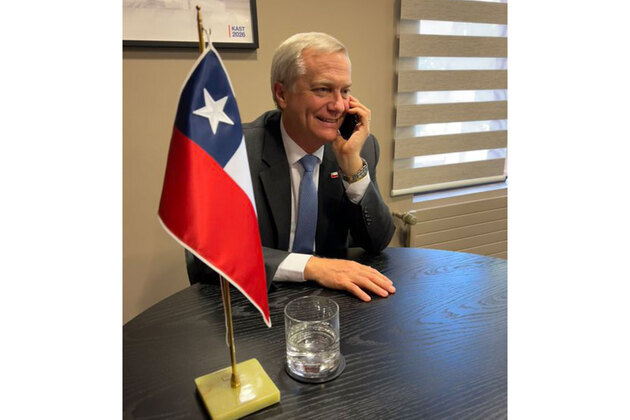
More InformationNew Delhi [India], March 13 (ANI): India on Friday extended warm congratulations to Jose Antonio Kast Rist on assuming office as the...
(Photo credit: Troy Taormina-Imagn Images) Fox averaged 5.02 million viewers -- the largest viewership number for any World Baseball...
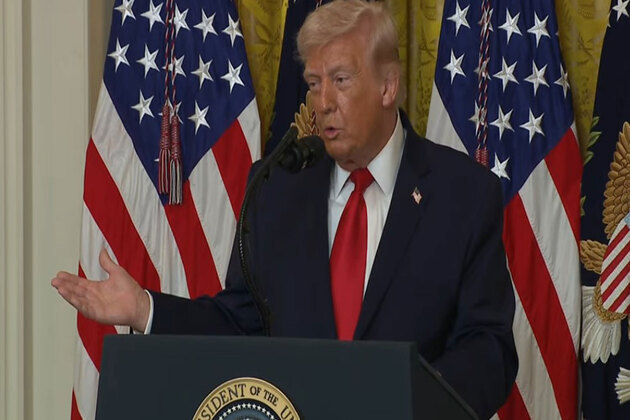
Washington DC [US], March 13 (ANI): President Donald Trump on Thursday (local time) said the situation involving Iran was progressing...
Bangkok [Thailand], March 12 (ANI): The Indian Youth boxing team recorded a series of strong performances on the fifth day of the World...
(Photo credit: Sam Navarro-Imagn Images) Thanks to Italy beating Mexico on Wednesday night, the United States gets another chance...
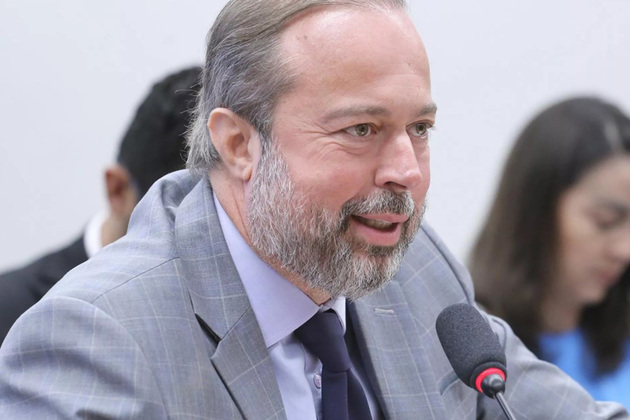
Sao Paulo [Brazil], March 12 (ANI): Minister of Mines and Energy of Brazil, Alexandre Silveira on Wednesday assured that Brazil faces...
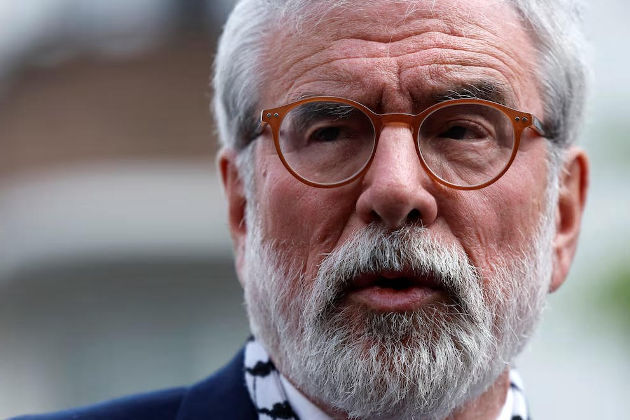
LONDON, U.K.: Former Sinn Féin president Gerry Adams appeared at London's High Court on March 9 for a civil lawsuit aiming to make...
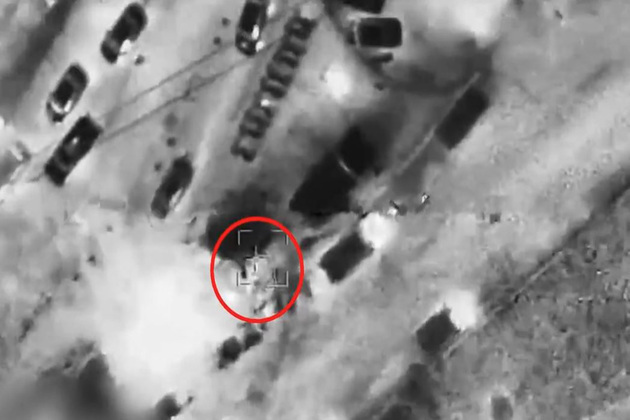
Kabul [Afghanistan], March 13 (ANI): Afghanistan conducted retaliatory drone strikes on strategic military centres and installations...
New Delhi [India], March 13 (ANI): The killing of Ayatollah Ali Khamenei and the swift succession of a new leader in Iran have intensified...
Jerusalem [Israel], March 13 (ANI): The Israel Air Force on Friday said that it had completed waves of strikes targeting infrastructure...
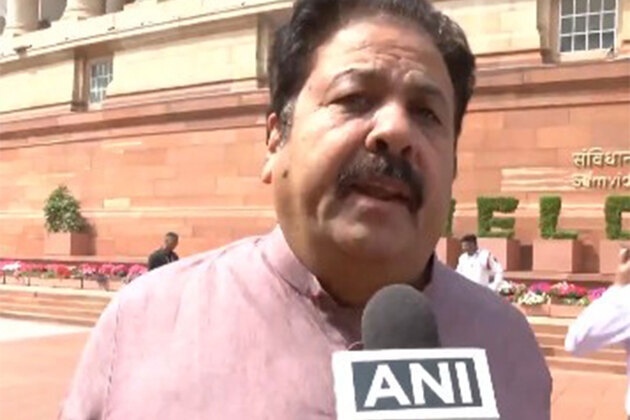
New Delhi [India], March 13 (ANI): Amid the uproar over Pakistani cricketer Abrar Ahmed being signed by Sunrisers Leeds in The Hundred...
Riyadh [Saudi Arabia], March 13 (ANI): Saudi Arabia said its air defence systems intercepted nearly 50 drones that entered its airspace...