


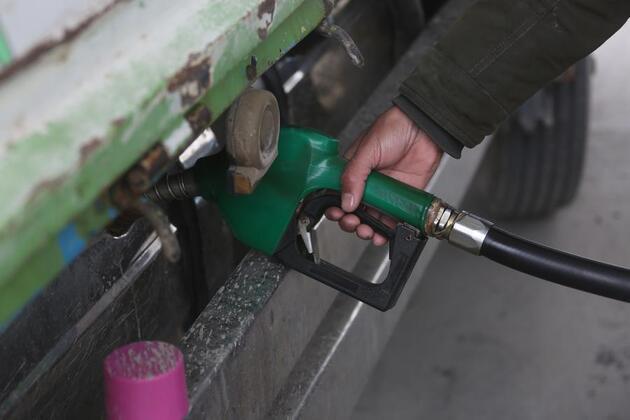
Skyrocketing fuel prices pile pressure on Afghans
Xinhua
05 Apr 2026, 07:15 GMT+10
 Share
Share
 Tweet
Tweet
 Share
Share
 Flip
Flip
 Email
Email
Subscribe and Follow
Get a daily dose of Chile Sun news through our daily email, its complimentary and keeps you fully up to date with world and business news as well.


News RELEASES
Publish news of your business, community or sports group, personnel appointments, major event and more by submitting a news release to Chile Sun.
More InformationEfforts to preserve historical documentation of Guatemalan genocide
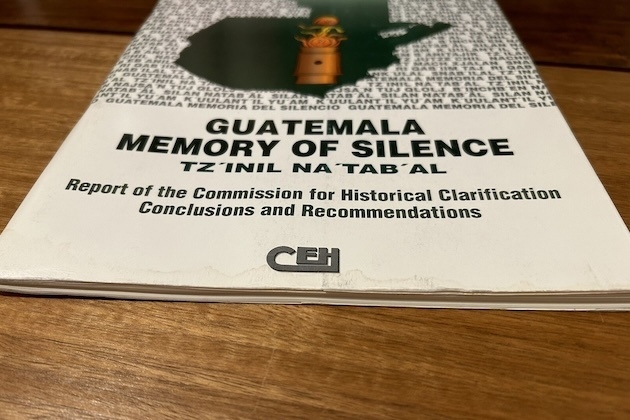
As a human rights activist, Angélica Macario was used to the hubbub and noise of protests and to seeing her people take their clamor...
Underground hashish rail route from Morocco smashed by Spanish police

MADRID, Spain: A tunnel in the North African exclave of Ceuta, complete with a rail system and underground cranes used to smuggle...
ATP roundup: Tommy Paul wins all-American semi to reach Houston final

(Photo credit: Mike Frey-Imagn Images) No. 4 Tommy Paul rallied for his fourth consecutive win over fellow American and second-seeded...
Galaxy eager to find form in clash vs. Minnesota United

(Photo credit: Troy Wayrynen-Imagn Images) A pair of teams dealing with a similar plight will try to reverse their early-season misfortunes...
Top senator explains why Russia will not abduct Zelensky

Moscow would irreparably damage its reputation if it behaved like the US in Venezuela and Iran, Valentina Matviyenko said Russia...
ATP roundup: Thiago Agustin Tirante upsets Ben Shelton in Houston

(Photo credit: Jayne Kamin-Oncea-Imagn Images) ATP No. 83 Thiago Agustin Tirante of Argentina rallied from a first-set disappointment...
Beauty industry hit by rising costs amid Iran war

BOLOGNA, Italy: The Iran war is rippling through the global beauty industry, pushing up costs for everything from packaging materials...
"Stop this madness": Former IAEA chief urges Gulf, UN to act after Trump's 48-hour ultimatum against Iran
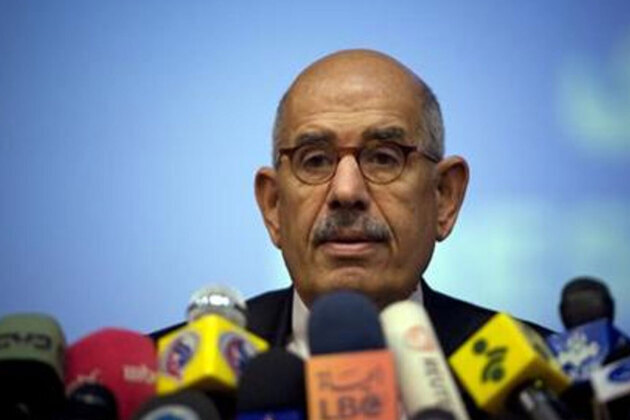
Vienna [Austria], April 5 (ANI): Mohamed ElBaradei, the former director general of the International Atomic Energy Agency (IAEA), has...
"Economic oppression": Public outcry in Rawalpindi, Islamabad as petrol hits PKR 459 per litre
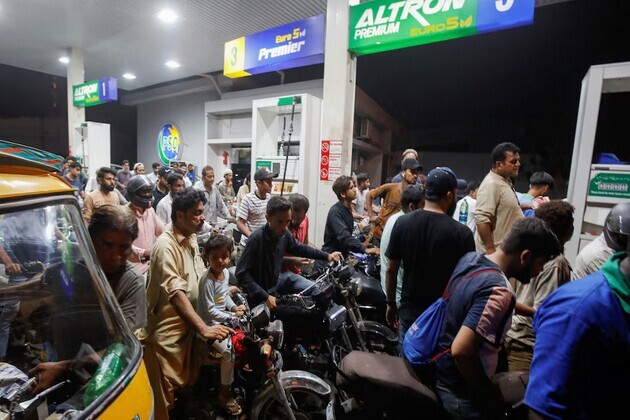
Rawalpindi [Pakistan], April 5 (ANI): The recent spike in fuel costs has triggered intense backlash across the twin cities, with residents...
Skyrocketing fuel prices pile pressure on Afghans
KABUL, April 5 (Xinhua) -- In the bustling streets of Kabul, Abdul Mateen, a 33-year-old taxi driver, sits behind the wheel of his...
"US-Israeli hegemony is over": Iranian journalist says stable peace requires Western retreat

Tehran [Iran], April 5 (ANI): Iranian journalist and international relations analyst Elham Abedini has stated that the ongoing regional...
IDF strikes over 200 Iranian targets, 140 Hezbollah sites to dismantle military infrastructure
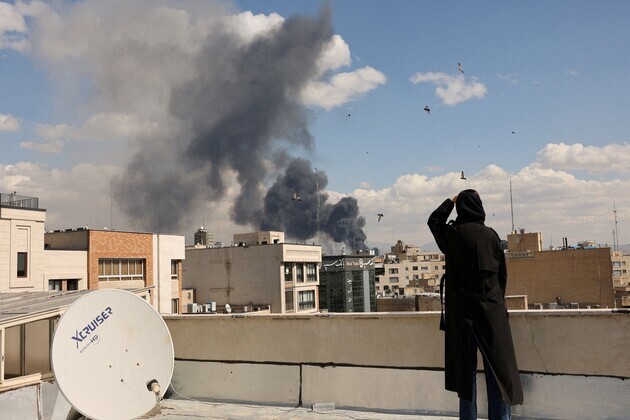
Tel Aviv [Israel], April 5 (ANI): The Israel Defence Forces (IDF) have conducted a massive military operation targeting more than 200...
